
Vesak – Buddha Day (Buddhist)
Vesak is the most important Buddhist festival. The festival commemorates the birth, enlightenment, and passing of Gautama Buddha in Theravada, Tibetan Buddhism and Navayana.

Please contact us with any corrections or additions to our Diversity Calendar.
Vesak is the most important Buddhist festival. The festival commemorates the birth, enlightenment, and passing of Gautama Buddha in Theravada, Tibetan Buddhism and Navayana.

Palm Sunday happens on the Sunday before Easter. The day commemorates Christ's triumphal entry into Jerusalem. Its name originates from the palm branches waved by the crowd to greet and honor Jesus as he entered the city.

Passover is a major Jewish holiday commemorating the story of the Israelite's escape from slavery in Egypt. It specifically refers to God passing over the houses of the Israelites and killing the firstborn sons of the Egyptians.
Good Friday is a Christian holiday commemorating the crucifixion of Jesus and his death at Calvary. For many it is a day of fasting and religious services.
Easter Sunday is a Christian festival commemorating the resurrection of Jesus from the dead. It brings an end to Holy Week which began with Palm Sunday. The western and eastern churches celebrate Easter on different days.
One of the most important religious festivals in Jainism. It celebrates the birth of Mahavira, the twenty-fourth and last Tirthankara (supreme preacher).
Holy Pascha, or Easter, is the supreme feast of the Orthodox Church, celebrating the Resurrection of Jesus Christ as the "feast of feasts". It marks the victory over death, concluding a 40-day fast, and is characterized by late-night services starting around midnight, the hymn "Christ is Risen," and breaking the fast with festive foods.
Theravada New Year is a major three-day Buddhist festival, usually beginning with the first full moon in April and celebrated in south and southeast Asia. It is known by different names in different regions. It marks a time for purification, merit-making, cleaning homes, visiting temples, and splashing water to symbolize renewal.
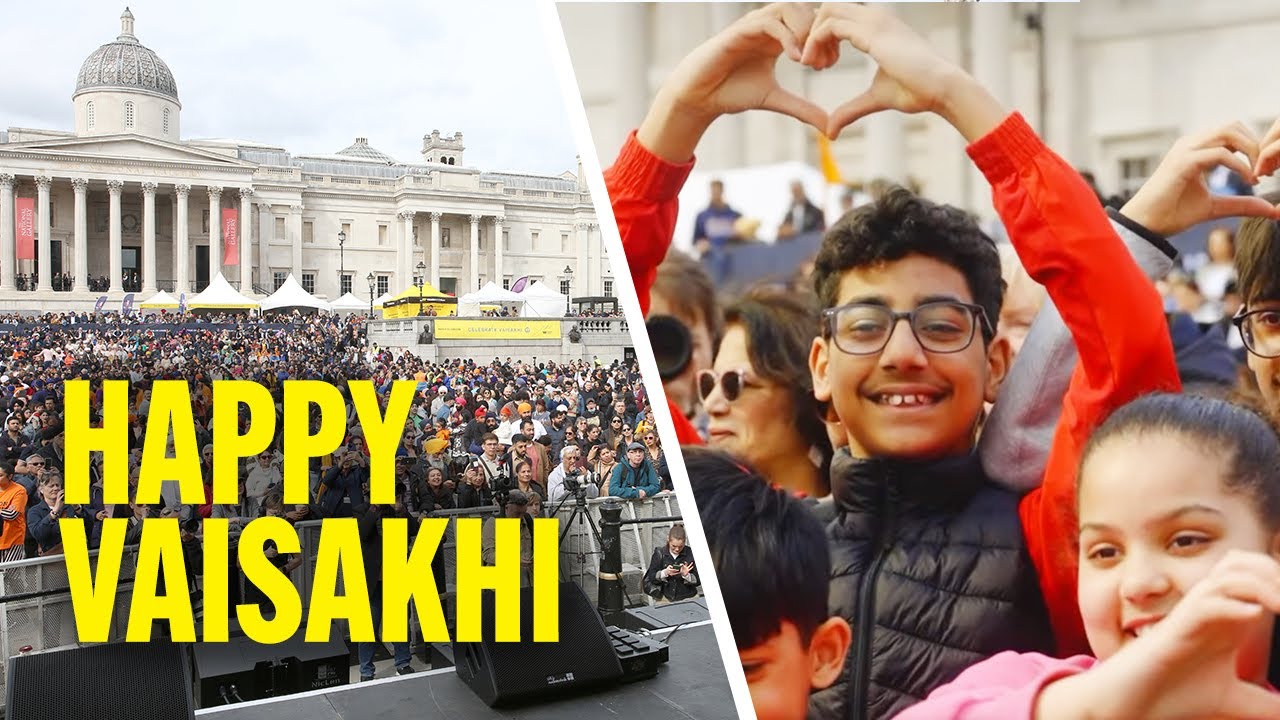
Vaisakhi, also known as Baisakhi, is a spring harvest celebration primarily in Punjab and Northern India. For Sikhs, Vaisakhi is a major festival marking the birth of the Khalsa order by Guru Gobind Singh, the tenth Guru of Sikhism. For many Hindu communities, the festival is an occasion to ritually bathe in sacred rivers such as... Read More
Shavuot is a major Jewish holiday celebrating the giving of the Torah at Mount Sinai and the grain harvest, marked by dairy meals, studying Torah, and hearing the Ten Commandments.
Pentecost is the Christian holiday that happens 50 days after Easter. It commemorates the descent of the Holy Spirit upon Mary, mother of Jesus and the Apostles of Jesus while they were in Jerusalem.

The Hajj is the annual pilgrimage to Mecca, the holiest city for Muslims. This is a mandatory duty for all capable Muslims.