
Day of Arafah (Islam)
The Day of Arafah is the second day of the Muslim Hajj pilgrimage. The pilgrims move to Mt. Arafat where the Islamic prophet Muhammad gave one of his last sermons. It is often a day of fasting.

Please contact us with any corrections or additions to our Diversity Calendar.
The Day of Arafah is the second day of the Muslim Hajj pilgrimage. The pilgrims move to Mt. Arafat where the Islamic prophet Muhammad gave one of his last sermons. It is often a day of fasting.
Eid al-Adha is the second of the main holidays celebrated by Muslims. It honours Abraham's willingness to sacrifice his son in obedience to God, however God provided a lamb to sacrifice in his place.

Baha’u’llah, the Prophet-Founder of the Baha’i Faith, passed away on 29 May, 1892. This holy day is commemorated by Baha’is all over the world and is known as ‘The Ascension of Baha’u’llah’. The final resting place of Baha’u’llah, the Shrine of Baha’u’llah, is located in Bahji (in present day Israel), and is the Point of... Read More

The fifth Guru (1563-1606), he built the Golden Temple of Amritsar to emphasize that the Sikh way was open to all, regardless of caste; the temple was constructed with doors facing all four directions. The first Sikh martyr, Arjan, is also remembered for his contributions to and compilation of the Sikh scriptures.
Hijri New Year is the day that marks the beginning of a new lunar Hijri year, and is the day on which the year count is incremented. A day in the Islamic calendar is defined as beginning at sunset.
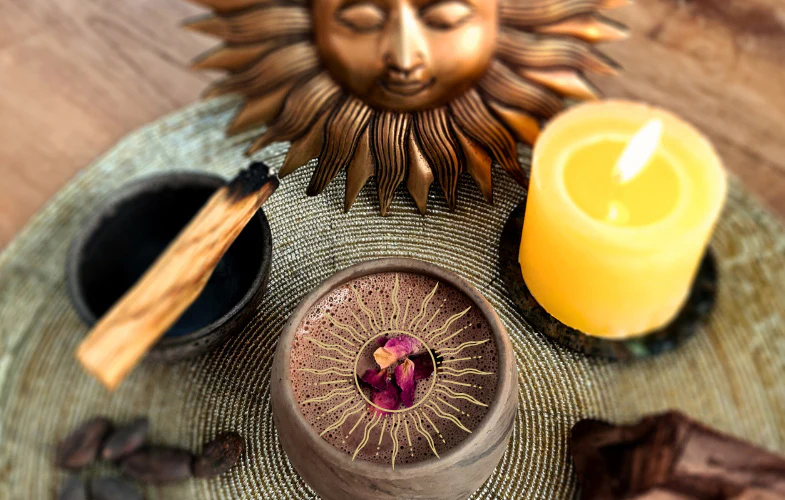
Midsummer Night is the longest day of the year and has been celebrated in some fashion since ancient times. In Pagan tradition, Litha marked the end of the Oak King’s reign and the rise of the Holly King, who oversees the world as the days gradually get shorter as the world descends into the cold... Read More
In Shia Islam this is a day for mourning the death of Husayn ibn Ali, grandson of the Islamic prophet Muhammad. In Sunni Islam this is a day for commemorating God's parting of the Red Sea and his salvation of Moses and the Israelites from their slavery under the pharaoh.

Tisha B'Av is an annual fast day in Judaism, on which a number of disasters in Jewish history occurred, primarily the destruction of both Solomon's Temple by the Neo-Babylonian Empire and the Second Temple by the Roman Empire in Jerusalem. It is regarded as the saddest day in the Jewish calendar.
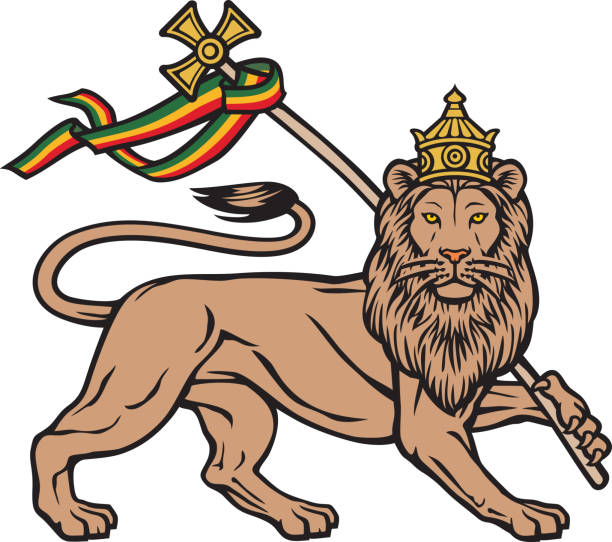
Rastafarians celebrate the birthday of Haile Selassie. Born Ras Tafari, Haile Selassie served as emperor of Ethiopia from 1930-1974. He is celebrated by Rastafarians as God incarnate (or as a messenger of God.) Celebrations include drumming, hymns and prayers.

Asalha Puja is one of Theravada Buddhism's most important festivals celebrating the teaching of Buddha following his enlightenment. These teaching include the four noble truths and the Noble Eightfold Path.
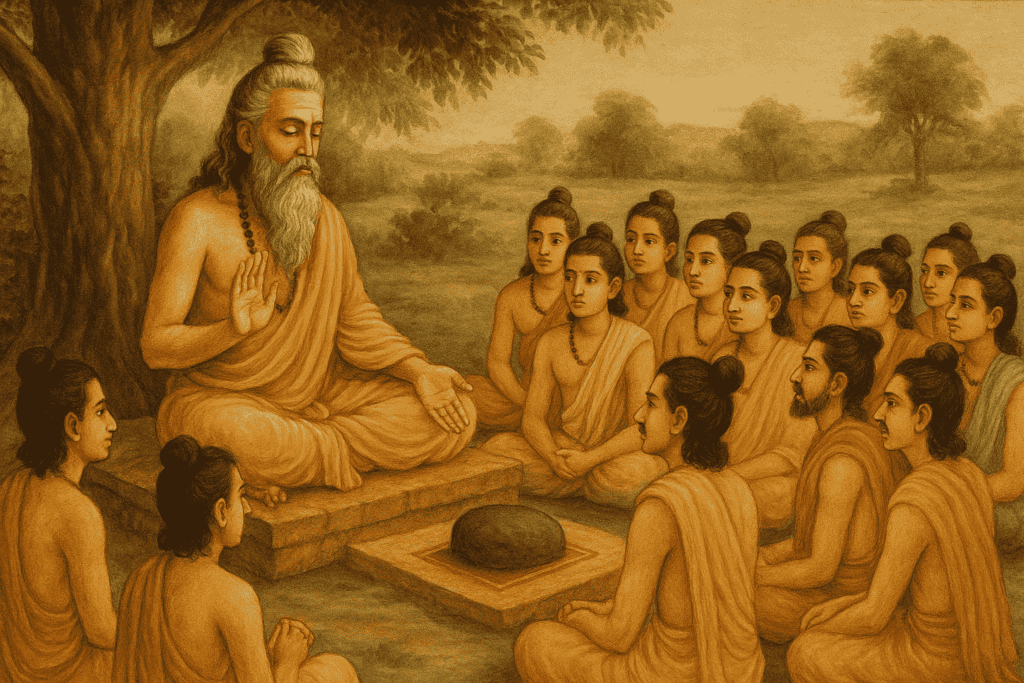
Guru Purnima is a traditional Hindu, Buddhist, and Jain festival celebrating teachers and spiritual mentors ("gurus"), observed on the full moon day (Purnima) in the month of Ashadha (June–July). It honors the "remover of darkness" (guru), marking the birth anniversary of Veda Vyasa and, in yogic tradition, the day Shiva became the first guru.

Lammas, or Loaf Mass is a Christian holiday celebrated in some northern countries. Like Lughnasadh, the Celtic holiday which falls on the same day, Lammas is a celebration of the first fruits of the new harvest.