Litha (Summer Solstice)
Midsummer Night is the longest day of the year and has been celebrated in some fashion since ancient times. In Pagan tradition, Litha marked the end of the Oak King’s… Read More

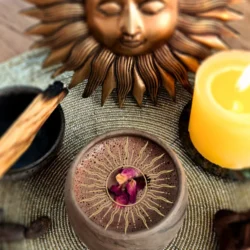
Midsummer Night is the longest day of the year and has been celebrated in some fashion since ancient times. In Pagan tradition, Litha marked the end of the Oak King’s… Read More

Imbolc or Imbolg, also called Saint Brigid’s Day, is a Gaelic traditional festival on 1 February. It marks the beginning of spring, and in Christianity, it is the feast day… Read More

Yule is a winter festival historically observed by Germanic peoples. It has been incorporated into some Christian Christmas celebrations as well as revived in some neopagan practices. (Wikipedia)

Samhain is a festival marking the end of the harvest season and the beginning of winter. Historically it was widely observed throughout Ireland, Scotland, Galicia and the Isle of Man…. Read More
Mabon is the modern Pagan celebration of the Autumnal equinox. a modern Pagan ritual of thanksgiving for the fruits of the earth and a recognition of the need to share… Read More
Imbolc is a traditional Gaelic festival marking the beginning of Spring. For Christian’s it is St. Brigid’s Day, the patroness saint of Ireland.
Samhain is a festival marking the end of the harvest season and the beginning of winter. Historically it was widely observed throughout Ireland, Scotland, Galicia and the Isle of Man…. Read More
Mabon is the modern Pagan celebration of the Autumnal equinox. a modern Pagan ritual of thanksgiving for the fruits of the earth and a recognition of the need to share… Read More
Lugnasadh is a traditional Irish holiday celebrating the beginning of the harvest season.
Yule is a winter festival historically observed by Germanic peoples. It has been incorporated into some Christian Christmas celebrations as well as revived in some neopagan practices. (Wikipedia)